
Root Canal Procedures in Greenville & Landrum, SC
What Is a Root Canal and Why Might You Need One?
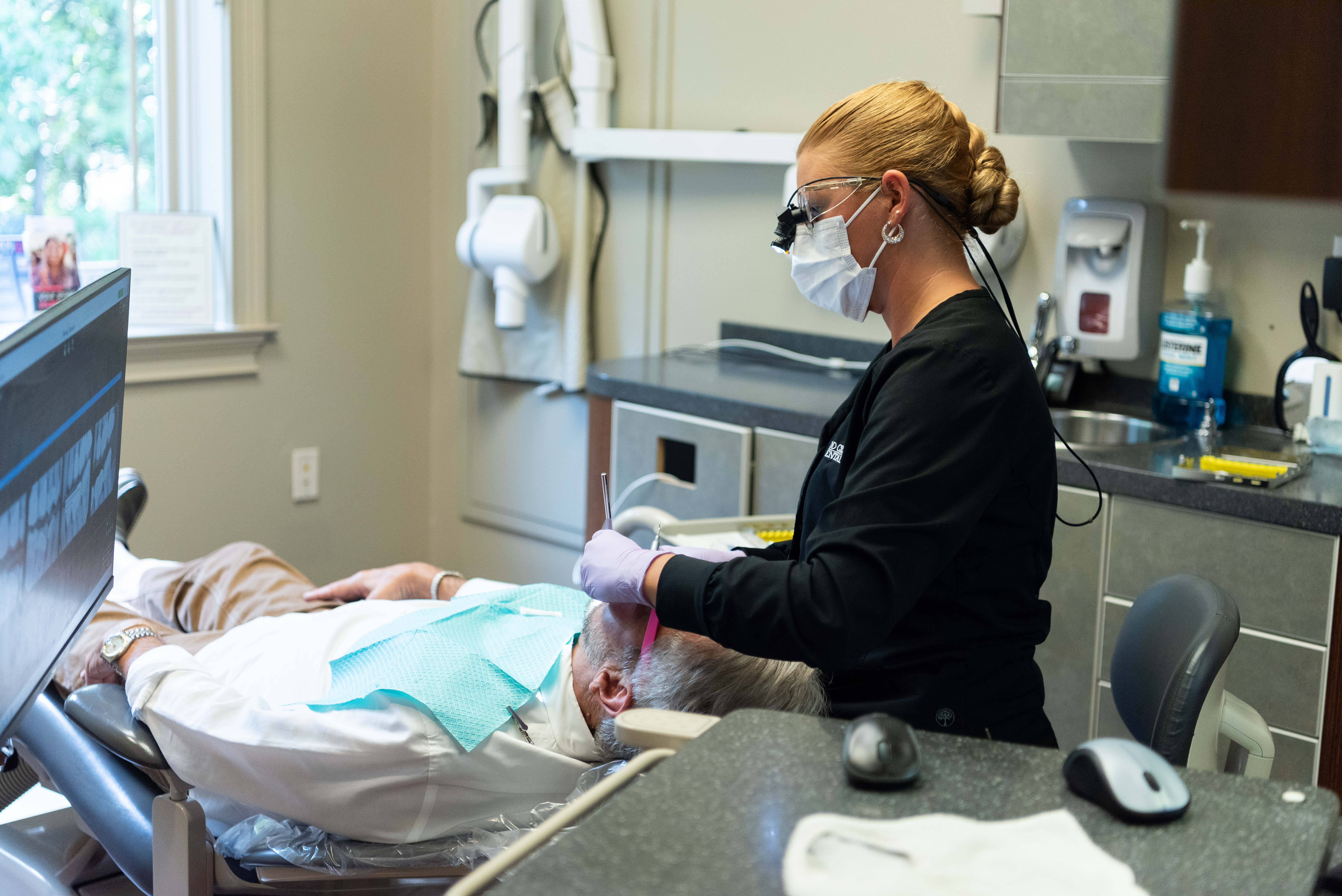
A root canal is a tooth-saving procedure designed to treat infection or inflammation deep inside your tooth. When the soft tissue inside your tooth, called the pulp, becomes damaged by deep decay, a crack, or trauma, it can cause significant pain, sensitivity, and swelling. Without treatment, the infection can spread to the surrounding bone and lead to an abscess or even tooth loss.
At Wood Creek Dental, we want you to know that root canal treatment is one of the most effective ways to save your natural tooth and protect your oral health. Despite the outdated myths, a modern root canal procedure feels similar to getting a standard filling. Our experienced dentists use the latest advancements in technology, including digital X-rays and precision instruments, to make the process as comfortable and efficient as possible.
📞 Greenville Office: 864-288-5300
📞 Landrum Office: 864-457-3425
Signs You May Need Root Canal Treatment
Many patients visit our Greenville or Landrum offices unsure whether their symptoms require a root canal or a simpler treatment. Here are some common signs that root canal therapy may be the right solution for you:
- Persistent toothache: Pain that lingers for days, especially a deep, throbbing ache, often signals that the nerve inside your tooth is inflamed or infected.
- Sensitivity to hot or cold: If drinking coffee or eating ice cream causes sharp pain that doesn't go away quickly, the pulp inside your tooth may be compromised.
- Swollen or tender gums: Swelling near a specific tooth, sometimes accompanied by a small bump on the gums, can indicate an abscess caused by infection.
- Darkening of the tooth: A tooth that has turned gray or dark may have experienced trauma to the nerve and could benefit from root canal treatment.
- Pain when chewing or touching the tooth: Discomfort when biting down is a frequent indicator that the tooth's root is under stress.
If you're experiencing any of these symptoms, we encourage you to contact our local office right away. Early treatment can often prevent the need for more extensive procedures, like tooth extraction, and help you keep your natural smile.

"The doctor and assistant were very communicative about the process and the options they might have to take. During an emergency root canal, my doctor promised me she would try everything to save my front tooth, and she did just that. Of course I’m nervous, but my doctor and assistant didn’t fail to show and comment support during the operation."
A'lana D.
Why Choose Wood Creek Dental for Your Root Canal?
We understand that the words "root canal" can make anyone feel uneasy. That's exactly why our team takes extra care to ensure your comfort from the moment you walk through the door. As a family-owned practice founded by Dr. Dale Hunt more than 40 years ago and now led by his children, who are also dentists, we treat every patient like a neighbor, because you are one.
Here's what sets root canal treatment at Wood Creek Dental apart:
- Experienced, caring dentists: Our team has decades of combined experience performing root canal procedures with precision and a gentle touch.
- Advanced technology: We use digital imaging and modern rotary instruments to complete your procedure more quickly and comfortably than ever before.
- Sedation options available: For patients who feel anxious about dental procedures, both offices offer sedation dentistry to help you relax completely during your root canal treatment.
- Personalized care: We take the time to explain every step of the process, answer your questions, and make sure you feel informed and at ease.
After your root canal, your dentist will typically recommend a dental crown to protect and strengthen the treated tooth, especially for back teeth that handle heavy chewing forces. We'll walk you through your restoration options and help you choose the best fit for your smile and your budget.
Make an appointment in Greenville
Make an appointment in Landrum
Are you anxious about root canal surgery?
At Wood Creek Dental, we are committed to providing a safe, comfortable, and non-judgmental environment for all of our patients, and we don't want anxiety to be a barrier for your dental health. Our Greenville office gladly offers sedation dentistry for those who may require additional interventions due to dental anxiety.
If you need root canal surgery but are struggling with anxiety about the procedure, please contact us to learn more about your options.
Questions About Root Canal Treatment
-
What happens during a root canal procedure?
Once the gums have been numbed, a small hole will need to be drilled into the top of the tooth so the inside of the tooth can be accessed. Then, the infected tooth pulp inside the tooth must be cleared out, and once the infection is treated, the tooth is carefully cleaned and sealed. After a root canal treatment has been performed, the tooth will most likely need a dental restoration like a dental crown placed over it to protect it from future damage and restore the appearance of the tooth.
-
How do I know if I need a root canal treatment?
There are a few signs that can indicate that a tooth infection is present and a root canal treatment will be needed. However, the only way to know for sure if you need a root canal is by scheduling an appointment with an experienced dentist. Common symptoms include:
- Consistent Tooth Pain
- Sudden Tooth Sensitivity
- Darkening of Tooth
- Tender of Swollen Gums
- Bump on Gums Near Tooth
-
Are root canals painful?
Root canal treatments tend to cause anxiety, even for patients who are otherwise calm and relaxed at the dentist. This is because root canals have a history of being painful, but fortunately, that is not the case anymore. Root canal treatments always begin with a local anesthetic being injected into the gums, which completely numbs the mouth. After your treatment, you may want to have some over-the-counter pain medication on hand to counteract any discomfort. Our office also offers nitrous oxide sedation to ease dental anxiety.
-
How long does a root canal take?
Most root canal procedures take between 60 and 90 minutes per visit. Depending on the complexity of your case, such as the number of canals in the tooth or the severity of infection, treatment may be completed in one or two visits. Your dentist will discuss the expected timeline during your initial exam.
-
What is recovery like after a root canal?
Recovery from a root canal is typically quick and manageable. You may experience mild tenderness or soreness near the treated tooth for a few days, which can usually be managed with over-the-counter pain relievers like ibuprofen. Most patients feel back to normal within a few days and can return to work or school the next day.
-
Is a root canal better than pulling the tooth?
Whenever possible, saving your natural tooth is the best option for your long-term oral health. A root canal preserves the tooth's structure, maintains your natural bite alignment, and avoids the need for replacements like dental implants or bridges. We always recommend saving the tooth when it's a viable option.
-
Will I need a crown after my root canal?
In most cases, yes, especially for back teeth. A dental crown is placed over the treated tooth to restore its full strength, protect it from fractures, and help it function normally for years to come. Your dentist will discuss your crown options and help you choose the best material for your needs.
-
Can I eat after a root canal?
You can eat once the numbness from the anesthesia wears off, which typically takes a few hours. We recommend sticking to soft foods for the first day or two and avoiding chewing directly on the treated tooth until your permanent crown is placed. Your dentist will provide specific aftercare instructions tailored to your situation.
-
What happens if I don't get a root canal when I need one?
Delaying treatment can allow the infection to spread to the surrounding bone and tissues, potentially leading to an abscess, bone loss, or the need for tooth extraction. In rare cases, untreated dental infections can affect your overall health. If you're experiencing symptoms, we recommend scheduling an evaluation as soon as possible, our team also provides emergency dental care when urgent situations arise.

Quality and comprehensive dental care from our family to yours.

Contact
Office Hours
| Monday | 7AM-5PM |
| Tuesday | 7AM-5PM |
| Wednesday | 7AM-5PM |
| Thursday | 7AM-5PM |
| Friday | 8AM-2PM* |
*Our Landrum office is open on Friday by appointment only.
© 2026 Wood Creek Dental. All Rights Reserved|
Privacy & Legal |
Site by ALINE, A Marketing Company