
Periodontal (Gum) Disease Treatment in Greenville & Landrum, SC
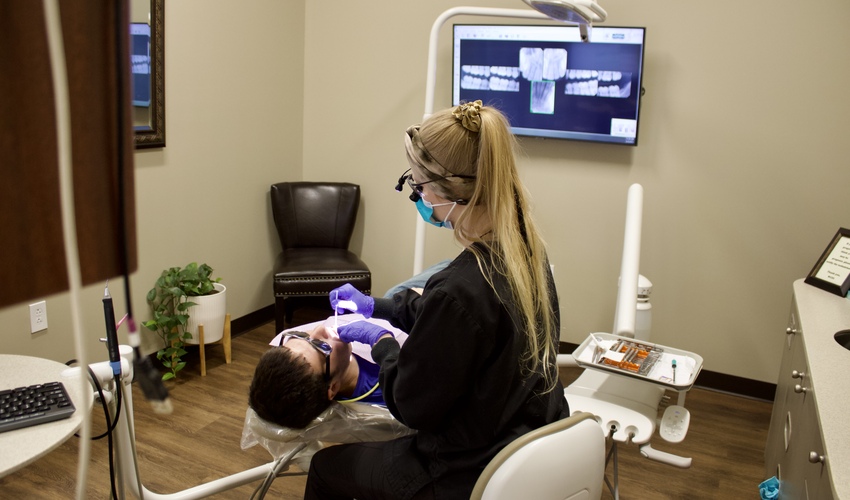
Healthy Gums. Healthy Smile.
Gum disease can develop gradually, sometimes without causing noticeable discomfort in its early stages. What begins as gingivitis can progress into periodontitis, a more advanced infection that affects the tissues and bone supporting your teeth.
The good news is that identifying and treating gum disease early can help prevent it from progressing. At Wood Creek Dental, we evaluate your gums as part of your overall oral health and provide periodontal treatment based on the severity of your condition.
If your gums bleed when you brush, feel tender or swollen, or appear to be pulling away from your teeth, don't wait for the problem to become more serious. Schedule an evaluation at our Greenville or Landrum dental office.
Make an appointment in Greenville
Make an Appointment in Landrum
What Is Periodontal Disease?
Periodontal disease, commonly called gum disease, is an infection and inflammation of the tissues surrounding and supporting the teeth. It typically develops when plaque and bacteria accumulate around the gumline. If plaque isn't adequately removed, it can harden into tartar, which cannot be removed with regular brushing and flossing alone.
Gum disease generally progresses through two primary stages:
Gingivitis: The earliest stage of gum disease. Gums may become red, swollen, tender, or bleed easily. At this stage, the condition can often be reversed with professional dental care and improved oral hygiene.
Periodontitis: When gum disease progresses, the gums can begin pulling away from the teeth and forming pockets where bacteria collect. Over time, the infection can damage the tissues and bone that support the teeth, potentially leading to loose teeth and tooth loss.
Because gum disease isn't always painful, regular dental exams are important for detecting changes in your gum health before you notice significant symptoms.

Signs You May Have Gum Disease
Gum disease can look different from patient to patient. Some people experience obvious symptoms, while others may not realize there is a problem until their dentist identifies it during an exam.
Common warning signs include:
- Gums that bleed when brushing or flossing
- Red, swollen, or tender gums
- Persistent bad breath or an unpleasant taste
- Receding gums or teeth that appear longer
- Sensitivity around the gumline
- Changes in the way your teeth fit together
- Loose or shifting permanent teeth
- Pus or swelling around the gums
- Discomfort when chewing
Bleeding gums shouldn't simply be considered a normal part of brushing or flossing. If you're experiencing persistent bleeding, sensitivity, swelling, or other changes, schedule an evaluation so we can determine what's causing your symptoms.
📞 Greenville Office: 864-288-5300
📞 Landrum Office: 864-457-3425
Periodontal Treatment at Wood Creek Dental
Treatment depends on how far gum disease has progressed. Mild gingivitis may improve with professional cleaning and changes to your daily oral hygiene routine. More advanced periodontal disease may require a deeper cleaning below the gumline.
Scaling & Root Planing
Scaling and root planing, sometimes called a deep dental cleaning, is a non-surgical periodontal treatment used to remove plaque, tartar, and bacteria from areas that cannot be adequately reached during a routine cleaning.
During scaling, deposits are carefully removed from the teeth and beneath the gumline. Root planing smooths the surfaces of the tooth roots, helping eliminate areas where bacteria can collect and encouraging the gums to heal around the teeth.
Depending on the extent of your gum disease, scaling and root planing may be completed over more than one appointment.
Arestin® Antibiotic Treatment
In some cases, we may recommend Arestin® as part of periodontal treatment. Arestin is a locally applied antibiotic placed directly into periodontal pockets following a deep cleaning. It continues working in the area to help reduce harmful bacteria and support the healing process.
Our team will determine whether Arestin is appropriate based on your individual periodontal needs.

Why Choose Wood Creek Dental for Periodontal Care?
Gum disease treatment isn't just about addressing bleeding or swollen gums. It's about protecting the foundation of your smile. At Wood Creek Dental, we take a comprehensive approach to your oral health, evaluating your teeth, gums, and supporting structures to determine the care that's right for you.
With convenient offices in Greenville and Landrum, our experienced dental team provides personalized periodontal care in a comfortable, welcoming environment. We'll explain what we're seeing, answer your questions, and help you understand the steps you can take to improve and maintain your gum health.
Make an appointment in Greenville
Make an Appointment in Landrum
Questions About Gum Disease
-
What is gum disease?
Gum disease is one of the most common diseases that affect human beings, with over half of Americans experiencing some form of gum disease at some point in their lives. Gum disease starts as gingivitis, the most common form of the disease that involves red gums and bleeding, but can also go unnoticed by patients. If it is allowed to develop, it can turn into periodontal disease which, if left untreated, can result in tooth loss or jawbone loss. If you are experiencing any symptoms of gum disease, please let our team know and we will be happy to assess your situation and discuss your treatment options.
-
What are the symptoms of periodontal disease?
Gingivitis and periodontitis are both caused by a buildup of plaque and tartar, and the best prevention method is to maintain a thorough oral care routine and visit the dentist regularly to have hard-to-reach plaque removed. However, gum disease can be treated, and it’s important to seek treatment for it as soon as possible. Symptoms of gum disease include:
- Red, swollen, or very sensitive or tender gums
- Excessive bleeding when brushing or flossing
- Receding gum line
- Loose teeth or tooth loss
- Bad breath or foul taste in mouth
-
How do you treat periodontitis?
Peridontitis treatment requires a deep cleaning treatment that involves scaling and root planing. Scaling is done to remove plaque and tartar that has built up underneath the gum line. Root planing is then used to smooth the roots of the teeth and helps the gums reattach to the teeth. Once the gum pockets have been cleaned, we will often add a topical antibiotic called Arestin® to continue fighting bacteria and reduce pocket depth. Because the deep cleaning process is very detailed, it can require more than one appointment to complete, but it is worth it to restore the teeth and gums back to their original health.
-
Why do my gums bleed when I brush or floss?
Occasional irritation can happen, but gums that bleed regularly may be a sign of gingivitis or periodontal disease. Plaque buildup along the gumline can cause inflammation that makes the gums more likely to bleed. If the bleeding persists, it's a good idea to schedule a dental exam rather than simply avoiding the areas that bleed.
-
Can gum disease be reversed?
Gingivitis, the earliest stage of gum disease, can often be reversed with professional dental care and consistent brushing and flossing. Once gum disease progresses to periodontitis and begins damaging the tissues or bone supporting the teeth, that damage generally cannot simply be reversed. However, periodontal treatment can help control the infection and prevent or slow further progression.
-
What is scaling and root planing?
Scaling and root planing is a deep cleaning used to treat periodontal disease. Scaling removes plaque and hardened tartar from above and below the gumline, while root planing smooths the tooth roots to remove bacterial buildup and encourage the gums to heal around the teeth.
-
What's the difference between a regular cleaning and a deep cleaning?
A routine dental cleaning is preventive care primarily focused on removing plaque and tartar from the teeth and around the gumline. A deep cleaning, or scaling and root planing, is periodontal treatment for patients with gum disease. It cleans deeper beneath the gumline and around the tooth roots where periodontal pockets have developed.
-
Does scaling and root planing hurt?
We want periodontal treatment to be as comfortable as possible. Local anesthetic may be used to numb the treatment area during scaling and root planing. Some tenderness or sensitivity can occur afterward, but it is typically temporary. We'll provide instructions for keeping your mouth comfortable as your gums heal.
-
What is Arestin®?
Arestin is an antibiotic that can be placed directly into periodontal pockets following scaling and root planing. It targets bacteria in the treated area and may be recommended as an additional step in controlling periodontal disease. Not every patient needs Arestin, so our team will determine whether it's appropriate for your individual condition.
-
How often will I need periodontal maintenance?
The appropriate schedule varies based on the severity of your gum disease and how well it responds to treatment. Some periodontal patients benefit from maintenance visits more frequently than the standard six-month cleaning schedule. Your Wood Creek Dental team will recommend an interval based on your individual gum health.
-
Will gum disease go away on its own?
No. Gum disease generally will not resolve without addressing the plaque, tartar, and bacteria causing the inflammation. Early gingivitis may improve with professional cleaning and better oral hygiene, while periodontitis usually requires more extensive periodontal treatment. Seeking care early can help prevent the condition from becoming more difficult to manage.
-
Can gum disease cause tooth loss?
Yes. Advanced periodontal disease can damage the gums, connective tissues, and bone that hold teeth securely in place. As that support deteriorates, teeth may become loose and can eventually be lost. Treating periodontal disease and maintaining ongoing care can help protect your natural teeth.
-
How can I prevent gum disease?
Brush thoroughly twice a day, clean between your teeth daily with floss or another recommended interdental cleaner, and schedule regular dental exams and professional cleanings. Avoiding tobacco products and addressing early symptoms such as bleeding or swollen gums can also help protect your periodontal health.

Schedule Gum Disease Treatment in Greenville or Landrum, SC
Don't ignore changes in your gums. Early periodontal care can help control gum disease and protect the teeth and supporting structures from further damage.
If you're concerned about bleeding gums, gum recession, persistent bad breath, or other signs of periodontal disease, contact Wood Creek Dental to schedule an evaluation at our Greenville or Landrum, SC dental office.
📞 Greenville Office: 864-288-5300
📞 Landrum Office: 864-457-3425

Quality and comprehensive dental care from our family to yours.

Contact
Office Hours
| Monday | 7AM-5PM |
| Tuesday | 7AM-5PM |
| Wednesday | 7AM-5PM |
| Thursday | 7AM-5PM |
| Friday | 8AM-2PM* |
*Our Landrum office is open on Friday by appointment only.
© 2026 Wood Creek Dental. All Rights Reserved|
Privacy & Legal |
Site by ALINE, A Marketing Company